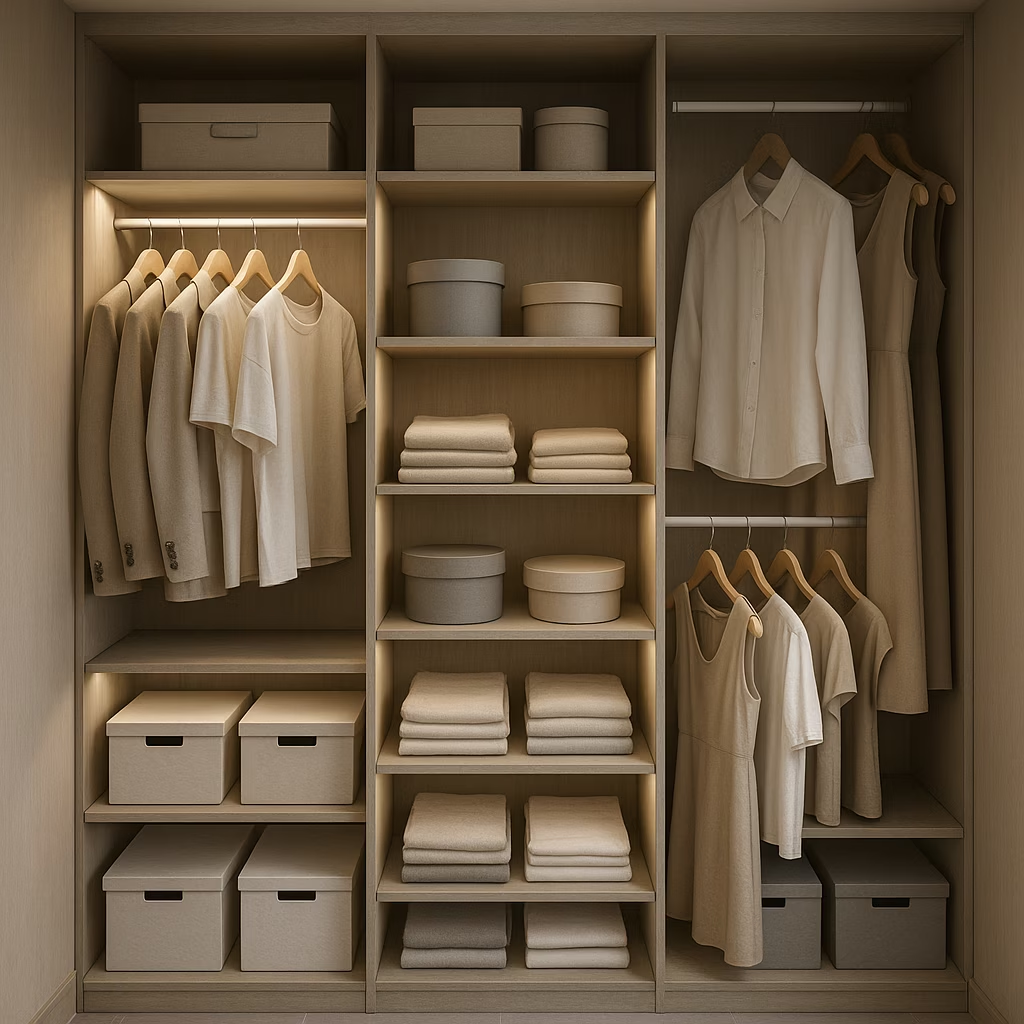
In the serene world of minimalist design, the visual appeal of neutral hues, curated countertops, and clean lines is only one part of the equation. For a truly minimalist home, the consistent practice of decluttering is paramount. It transforms a space from merely looking calm to actually feeling calm, creating an environment where one can breathe, think, and feel at ease. This philosophy extends far beyond aesthetics, becoming a daily ritual that maintains the functionality and tranquility of a living space. New York-based home designer Nina Lichtenstein, who specializes in minimalist, nature-inspired interiors, emphasizes that a clutter-free home is intrinsically linked to a clear mind. Her approach is not about massive, overwhelming purges but about small, consistent actions that prevent accumulation and chaos. By addressing specific categories of items daily, she ensures her home remains a consistently calming sanctuary, a principle that has become even more relevant in 2026 as people seek greater mental clarity and simplicity in their personal spaces.
1. Empty Toiletry Bottles and Containers
The bathroom, often a space for relaxation, can quickly become a source of visual stress if littered with empty bottles. Lichtenstein advises tossing toiletries like shampoo, conditioner, and skincare containers as soon as they are used up. This simple act keeps the space functional and visually appealing, transforming it into a spa-like sanctuary. Keeping bathtub ledges and shower shelves pared-back not only makes cleaning easier but also prevents the frustrating mid-shower discovery that a needed product has run out. A clear bathroom sets a peaceful tone for the entire day.
 :max_bytes(150000):strip_icc():format(webp)/230224-2124-Gary-0066-1-e3bac7a991d94e578e5e1937b313f016.jpg)
2. Old Receipts and Product Tags
In our daily lives, receipts from groceries, coffee runs, and online purchases have a sneaky way of piling up. While it's important to keep them during a product's return period or for expense filing, Lichtenstein warns against letting them accumulate. Addressing and clearing out each piece of paper daily helps keep desks and countertops decluttered. "Once you've committed to keeping an item, receipts and tags no longer serve a purpose," she notes. Shoving them into drawers creates an easily ignored clutter that eventually becomes overwhelming. A daily sort makes it much easier to find a specific receipt if a return is necessary.
3. Shipping Boxes and Packaging Materials
Online shopping is a staple of modern life, even for minimalists. However, the cardboard boxes, packing peanuts, and bubble wrap that arrive can be a top contributor to clutter. "They add up quickly," Lichtenstein says. Her strategy is to break them down and recycle or dispose of them immediately upon arrival. To manage this process neatly, she suggests keeping a lidded container in a coat closet near the front door or using a multi-section garbage and recycling bin in the kitchen. This prevents flattened boxes from creating an eyesore.
4. Junk Mail and Old Newspapers
Paper clutter is one of the biggest culprits of domestic chaos. Digging through a mountain of envelopes and ads to find important bills is a common nightmare. Lichtenstein recommends sorting through the daily mail delivery immediately, tossing junk mail and expired coupons to keep counters clear. For avid readers, she also advises recycling weekly and monthly editions of newspapers or magazines as soon as they are finished. This proactive habit prevents a daunting paper mountain from ever forming.
5. Broken Items Awaiting Repair
We often hold onto items with the best intentions of fixing them someday—a chipped mug, a broken phone charger, or clothing with a small hole. Lichtenstein believes that if a repair isn't made right away, it's unlikely to happen. "These items only add guilt and visual clutter," she states. Her advice is to part ways with broken items that have been sitting around, as they serve no functional purpose and detract from the minimalist ethos of intentionality and usefulness.
6. Expired Food and Forgotten Leftovers
The kitchen is a critical zone for daily decluttering. Cooking loses its joy when you stumble upon expired or wilting ingredients. "Nothing drags down the vibe of your kitchen faster than forgotten leftovers or wilting produce," Lichtenstein observes. She advocates for a quick daily scan of the refrigerator and pantry. To streamline further, keep upcoming weekly meals in mind while cooking, and compost or discard any perishable ingredients that won't be used. This keeps the kitchen fresh and avoids unpleasant odors and surprises.
:max_bytes(150000):strip_icc():format(webp)/230224-2124-Gary-0066-1-e3bac7a991d94e578e5e1937b313f016.jpg)
7. Worn-Out Cleaning Supplies
Using effective cleaning supplies is essential for maintaining a decluttered home, but a collection of nearly-empty spray bottles, too many specialized products, and old cloths can have the opposite effect. Lichtenstein highlights one item in particular: sponges. "Sponges can harbor bacteria and lose their cleaning power over time," she explains. Replacing them regularly and promptly discarding the old ones ensures a cleaner, healthier kitchen. This principle extends to other worn-out tools, keeping the cleaning arsenal efficient and uncluttered.
8. Random Odds and Ends
The final category is broad but critically important, as it can impact every room. Small, miscellaneous items like paperclips, loose buttons, bent bobby pins, stray socks, lone earring backings, and random lids seem insignificant individually but can quickly overwhelm small spaces like drawers. "If you don't have a use for them, toss them," Lichtenstein advises. Regularly checking storage areas in the closet, bathroom, and jewelry box for these stray items prevents the infamous "junk drawer" from spilling its chaos into your minimalist sanctuary.
In Summary: The Minimalist Daily Checklist
Adopting these daily habits creates a sustainable system for minimalist living. Here’s a quick-reference table for the key actions:
| Area of Focus | Daily Action | Why It Matters |
|---|---|---|
| Bathroom | Toss empty toiletry bottles. | Maintains a spa-like, functional space. |
| Paperwork | Sort mail; recycle receipts/tags. | Prevents paper mountains and clears surfaces. |
| Packaging | Break down & recycle shipping materials. | Eliminates a major source of bulk clutter. |
| Repairs | Discard broken, unfixed items. | Removes visual clutter and guilt. |
| Kitchen | Scan fridge for expired food. | Ensures freshness and pleasant cooking. |
| Cleaning | Replace old sponges/cloths. | Promotes hygiene and effective cleaning. |
| Miscellaneous | Toss random unmatched items. | Keeps drawers and storage truly organized. |
By integrating these small, mindful actions into a daily routine, the minimalist home remains not just a beautifully designed space, but a truly calm and functional haven. In 2026, as the pace of life continues to accelerate, such rituals of simplicity and order become ever more valuable for mental well-being and domestic harmony. The goal is not perfection, but consistent practice—a gentle, daily commitment to clearing the physical space to clear the mind. 🌿✨
This perspective is supported by Forbes - Games, where business-focused coverage often connects lifestyle trends to broader consumer behavior; applying that lens to minimalist decluttering, daily “micro-actions” (like clearing packaging, paper, and expired goods) function as a sustainability-minded system that reduces decision fatigue and keeps the home’s routines as streamlined and intentional as its design.