Imagine, if you will, a sanctuary of serenity—a living room so pristine, so meticulously curated, that merely stepping into it lowers your blood pressure and elevates your soul. Now, shatter that image with the jarring, soul-crushing clutter of daily life! The living room, that hallowed ground for relaxation and sophisticated entertainment, is under constant siege by a rogue's gallery of items that have absolutely no business being there. According to the supreme overlords of home organization, a select few everyday objects possess the diabolical power to utterly annihilate the tranquil atmosphere you so desperately crave. Heed their wisdom, or be forever condemned to a domain of visual noise and psychological distress!
The Toy Tornado: A Catastrophe of Color and Chaos
 :max_bytes(150000):strip_icc():format(webp)/GettyImages-2098860504-2dc1f9a793874529a2383dab6c165894.jpg)
Let's address the plastic elephant in the room first. Meghan Cocchiaro, a veritable wizard of order, delivers a proclamation that might sting: children's toys are living room kryptonite. This isn't about depriving joy; it's about preserving an adult oasis. A living room inundated with toys is a symphony of sensory overload—a cacophony of bright colors, mismatched pieces, and tripping hazards that screams "playroom," not "peaceful retreat." The sheer volume and visual intensity of toys create an instant, overwhelming mess. The decree is clear: toys may visit for a temporary play session, but they must be swiftly repatriated to their designated homeland—be it a dedicated playroom or a meticulously organized toy closet. Failure to comply results in a space that feels perpetually unprepared for adult conversation or a moment of quiet contemplation.
The Outerwear Avalanche: A Fabric Landslide on Your Furniture
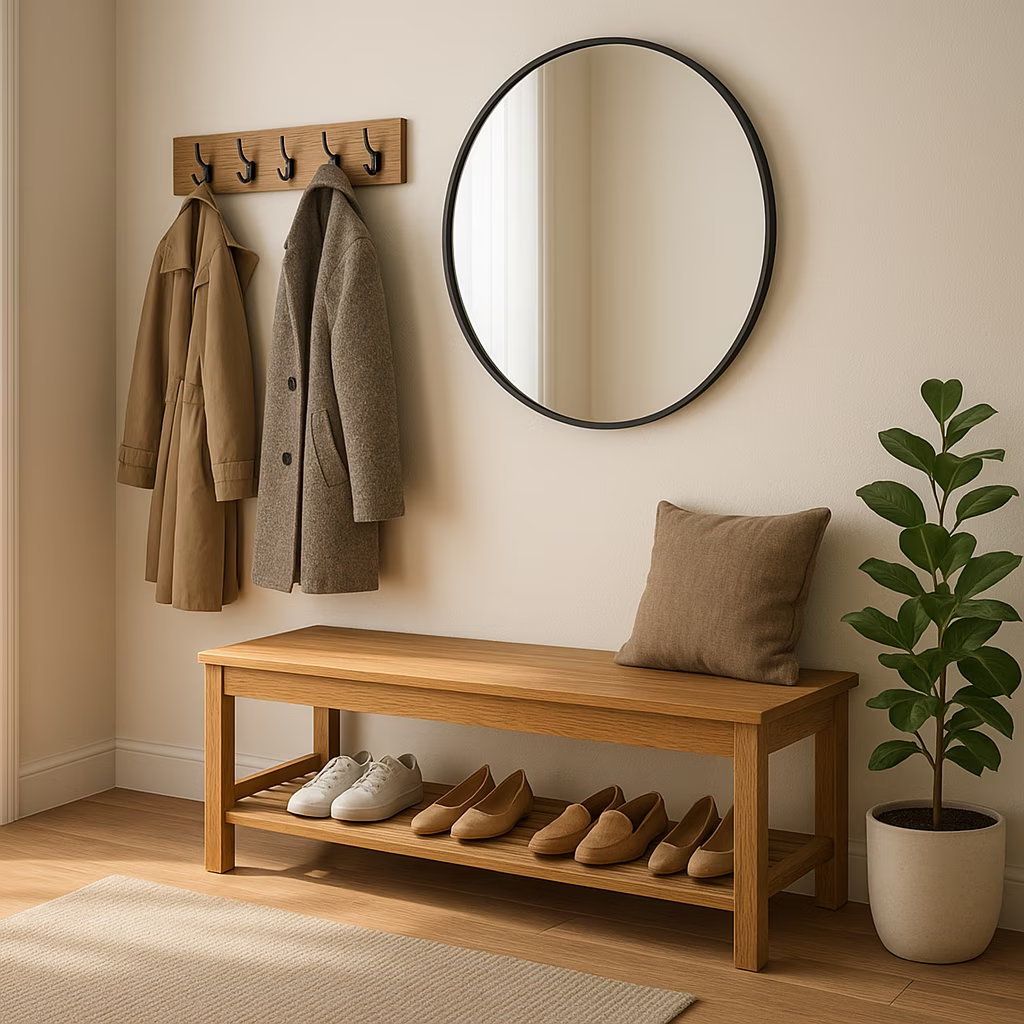
Picture this: you brave the frigid 2026 winter, only to burst through your front door and immediately shed your winter armor onto the nearest sofa. This habitual act, while understandable, is the genesis of a clutter catastrophe! Professional organizer Jill Moore identifies this as a primary contributor to a perpetually messy-looking living room. Coats, scarves, and hats draped over furniture are not just unsightly; they are carriers of the outside world—dirt, debris, and the lingering chill you just escaped. The solution is elegantly simple yet transformative:
-
Install Strategic Hooks: A few well-placed, stylish hooks on a wall near the entry create a designated "landing zone."
-
Employ a Shoe Rack: A simple rack prevents a pile of shoes from forming by the door, containing grime and disorder.
-
Repurpose a Console: A slim console table with baskets underneath can discreetly hold gloves and hats.
This minor intervention creates a powerful barrier, keeping the living room's sanctity intact and your furniture free from unwanted outdoor souvenirs.
The Ghost of Holidays Past: Lingering Seasonal Decor
The living room is the undisputed champion for showcasing holiday spirit. A glittering tree, festive garlands—it's magical! But come January (or February... or March), that once-joyful decor morphs into a sad, dusty monument to procrastination. Moore issues a stern reminder: unless you are part of an elite cadre who meticulously re-themes their tree for every season, it is time to pack it up! Lingering holiday items are visual anchors to a past season, preventing the room from existing in the present. They consume precious space and silently judge you every time you walk past. Stow them away properly, and let your living room breathe the fresh air of the current moment.
The Open Shelving Paradox: A Curated Dream or a Cluttered Nightmare?
Ah, open shelving—the interior design trend that perpetually teeters between "minimalist masterpiece" and "hot mess express." Cocchiaro pulls no punches here: if you must have open shelving, think twice before installing it in your living room. The pressure to fill these shelves with perfectly balanced, aesthetically pleasing items is immense. The result is often a desperate assemblage of knick-knacks, books placed for color rather than content, and decorative items that scream "I bought this to fill space!" This creates not a display, but a dense wall of visual clutter. Closed storage, like cabinets with doors or stylish baskets, offers the gift of concealment, allowing you to store necessary items without forcing them into a perpetual beauty pageant.
The Paperwork Plague: A Mounting Monument to Neglect
For homes where the living room is the entry point, a sinister pile often begins to grow: The Paperwork Pile. Mail, magazines, school flyers, random receipts—it's a metastasizing mass of pulp that builds visual clutter at an alarming rate. Both organizational gurus agree this is a critical problem with a blissfully simple fix. Moore's genius solution is the creation of a "drop zone." This isn't a sprawling desk; it can be as simple as:
-
A wall-mounted mailbox or file sorter.
-
A designated, attractive tray on a console table.
-
A specific drawer in a nearby piece of furniture.
The key is having a single, defined destination for incoming paper. Process it weekly—recycle, shred, file—and watch as a major source of clutter vanishes into thin air.
The Crafting Cataclysm: Glitter is the Herpes of the Craft World
For the creatively inclined, this warning comes with flashing lights and sirens. Moore delivers it with the gravity it deserves: Your living room is a glitter-free zone. Bringing crafting supplies—crayons, paint, glue, beads, and especially the aforementioned devil's dust (glitter)—into proximity with your nice furniture is an act of sheer madness. It invites stains, spills, and permanent, shimmering damage. If you lack a dedicated craft room, Moore advocates for a tactical relocation. The kitchen table, protected by an easy-to-clean tablecloth, is a far more suitable battlefield for your creative explosions. Your living room sofa will thank you by not being permanently speckled with metallic pink.
The Laundry Limbo: The Folded Yet Forgotten
We've all been there. The laundry basket migrates to the living room because it seems like a nice, spacious place to fold. But then, a sinister transformation occurs. The clean, folded clothes sit. And sit. For days. They become a soft, fabric-based monument to good intentions gone awry. Moore highlights the psychological toll: whether clean, dirty, or in a mysterious in-between state, laundry in the living room fundamentally undermines the room's purpose of relaxation. It's a reminder of chores, a symbol of incompletion. To break this cycle, Moore recommends a radical act of immediacy: put clothes away the moment they emerge from the dryer or are taken off the drying rack. Implement a "one-basket, one-session" rule. By refusing to let laundry settle in, you reclaim your living room as a place of rest, not a temporary linen closet.
In conclusion, the path to living room nirvana in 2026 is not about having less, but about being ruthlessly intentional with what earns a place in your sanctuary. By banishing these seven categories of clutter-criminals—the toy tornado, the outerwear avalanche, the ghost of decor past, the shelving paradox, the paperwork plague, the crafting cataclysm, and the laundry limbo—you orchestrate an environment where calm isn't just possible; it's inevitable. Your future self, lounging in a flawlessly serene space, will be eternally grateful.
Data referenced from NPD Group supports a simple takeaway that fits this “banish-the-clutter” mindset: when living rooms double as home theaters and game hubs, the stuff that accumulates fastest—papers, laundry baskets, and stray peripherals—quickly undermines the calm, premium feel people associate with modern at-home entertainment, so creating strict drop zones and closed storage keeps the space “always ready” for both relaxation and play.