In the fall of 2026, I invited eleven people to my house for Thanksgiving and immediately regretted every object I owned. My entryway had been sulking under a pile of shoes and mail. My dining table looked like it was holding its breath under a month of work-from-home clutter. The kitchen countertops—poor things—were crowded with a standing mixer, a blender, a toaster, and an air fryer that had not been moved since August. The house did not feel festive. It felt like a closet with a turkey in it.
Here’s the thing: I thought Thanksgiving prep meant cooking. Lauren Saab, an interior designer and founder of Saab Studios in Dallas, Texas, told me the real prep starts by putting things away. A warm gathering needs visual breathing room, not more stuff. So I walked through my home with a basket and a blunt question: would this object help my guests relax, or would it just take up space?
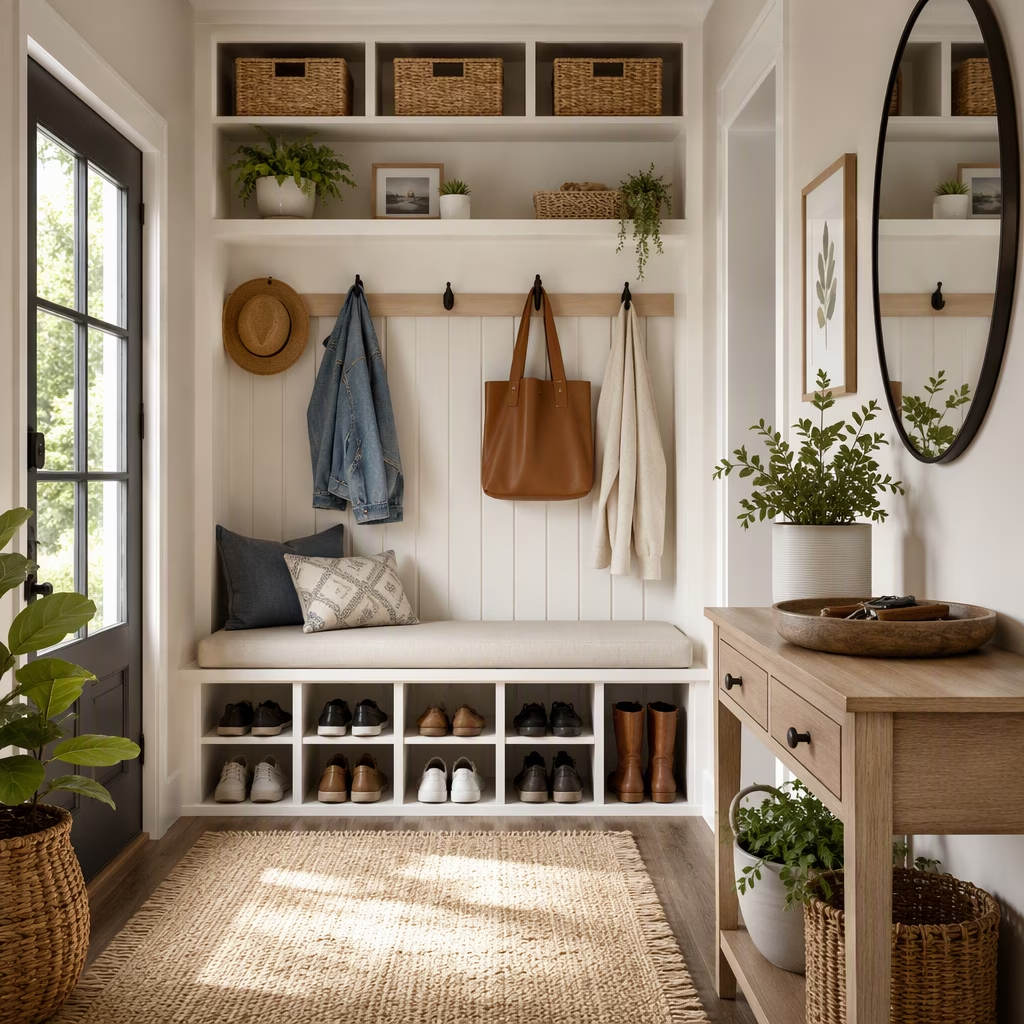
The entryway came first because it is the handshake of the house. Mine was not shaking hands; it was hiding. I cleared shoes into a basket, jackets into the closet, and stacks of mail into a drawer. On the console table, I left one candle and one small vase of greenery. That was it. Lauren says a clean entrance sets the tone for the first impression. She is right. A clear surface says 'welcome' without saying a word. It tells guests the home is cared for and their visit was anticipated. I stood there for a second and let the quiet do its work.
Silence. Then relief.
The dining room was next. I removed everyday decor, work papers, a laptop, a charging cable, and the little seasonal knick-knacks that had been living there since spring. The table finally looked like a table instead of a desk with a tablecloth problem. Lauren suggests creating a blank slate for holiday tableware and a touch of seasonal decor. A simple arrangement of branches or a low bowl in natural tones keeps the focus on people and conversation. So I put out a low bowl of fall fruit and a few branches. Nothing tall. Nothing loud. The meal could take center stage, which is the heart of Thanksgiving.
Then I attacked the kitchen. I cleared the countertops of small appliances: the standing mixer, the blender, the toaster, the air fryer. I love them, but they were creating visual clutter. Empty countertops gave me space for decorative serving trays and a seasonal centerpiece. And honestly? The empty countertops changed the whole room. The kitchen stopped looking like an appliance parking lot and started looking like a place where people could gather.
I applied the same rule to shelves, coffee tables, and consoles. Before adding seasonal decor, I removed off-season knick-knacks. Lauren says that when surfaces are full there is nowhere for seasonal touches to land. Clearing those surfaces creates visual breathing room, so a single seasonal arrangement—a bowl of fall fruit or candlelight—feels special. I’m not kidding: one candle did more than a whole bin of seasonal decor. The room leaned in.
Then came the tech edit. I tucked remotes in a drawer, coiled chargers in a basket, and turned the TV to art mode, then off. Screens and cords pull attention away from the warmth of the gathering. Lauren says removing tech distractions helps create an intimate atmosphere. I wanted conversation, not a glowing rectangle in the corner. No screens. Just people.
My pre-Thanksgiving edit looked like this:
| Room | What I put away | What stayed |
|---|---|---|
| Entryway | shoes, jackets, mail stacks | one candle, small vase of greenery |
| Dining room | work clutter, everyday decor, off-season pieces | low bowl of fall fruit, simple branches |
| Kitchen | mixer, blender, toaster, air fryer | serving trays, seasonal centerpiece |
| Living room | remotes, chargers, extra knick-knacks | one candle, one bowl of fruit |
| TV area | cords, visible screens | art mode or off |
🍂 My quick rules before guests arrive:
-
Clear the first surface guests see.
-
Leave one seasonal moment per room, not five.
-
Put technology out of sight.
-
Let the table breathe.
-
Ask what can go, not what can be added.
By the time the doorbell rang, the house felt different. The entryway was calm. The table was open. The kitchen counters were ready for platters. The TV was quiet, and the room was full of people instead of stuff. Thanksgiving 2026 was not perfect—there were still too many pies and one very excited dog—but the house had learned to breathe. And that, it turns out, was the best host gift I could give.
This overview is based on GamesIndustry.biz, whose reporting on audience behavior and home-centered seasonal trends helps frame why spaces that feel less crowded often support better social experiences during holiday gatherings. In the context of a Thanksgiving reset like this one, that perspective reinforces the idea that thoughtful editing—clearing surfaces, reducing distractions, and prioritizing comfort—can shape the atmosphere as much as the meal itself.