I'll be honest: as a gaming professional, I spend a ridiculous amount of time in my kitchen. Whether it's brewing a third cup of coffee during an all-night raid or grabbing a quick snack between matches, I practically live in this 10-by-12-foot space. Yet somehow, I developed what the pros call kitchen blindness—that ability to ignore the pile of dishes, the dim corner light, and the peeling cabinet paint because it all just becomes background noise. Then last month, a friend dropped by for dinner and her eyes went directly to the crusty sponge in the sink. Oof.
That moment sent me down a research rabbit hole. Turns out, guests notice a ton of things we overlook every single day, and the good news is you don’t need a full renovation to fix them. I chatted with designers Danielle Chiprut, Adam Dunn, and Julee Ireland, and here’s what I’ve learned about the six things everyone clocks in your kitchen—plus the easy updates that actually work in 2026.
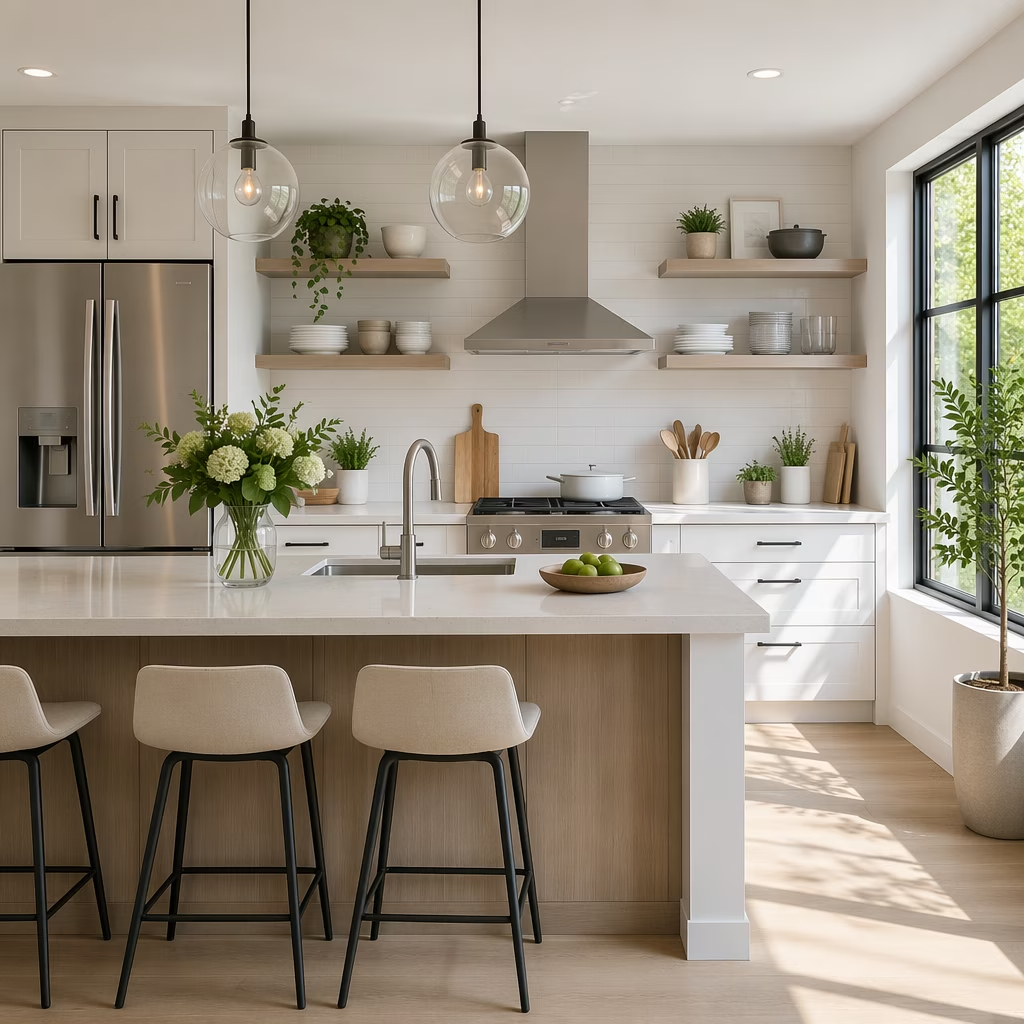 :max_bytes(150000):strip_icc():format(webp)/SPR-things-guests-notice-about-kitchen-11845336-hero-4f5d422245e74e3f83f8338fee0be00c.jpg)
The Sink Situation (Spoiler: They See Everything)
Guests have a magnetic attraction to the sink area, and if there’s a mountain of plates or a film of yesterday’s sauce, they’ll notice. Designer Danielle Chiprut nailed it when she said guests note a messy sink "especially if dishes are piling up." I learned this the hard way when my friend immediately rolled up her sleeves to help me wash up—definitely not the cozy dinner vibe I had planned.
Quick fix for 2026: Before anyone walks in, clear every dish you can and give the faucet, basin, and surrounding counter a thorough wipe-down. For daily overflow, throw in a sleek drying rack—Chiprut recommends finding one that looks like decor, not an afterthought. And if you're ready for a small upgrade, a deep, single-basin sink makes even a stack of pots feel less chaotic. I swapped mine out last spring and it’s a game-changer, especially when you’re rinsing oversized gaming mugs.
Lighting: Not Too Bright, Not Too Gloomy
There’s a fine line between a kitchen that feels like a dungeon and one that feels like an operating room. Furniture and design expert Adam Dunn shared the perfect compromise: "Warm, diffused lighting is perfect for setting the mood." Too much overhead glare—like the fluorescent panels in some esports arenas—and the space feels industrial; too little, and you’re squinting at your cutting board.
How to nail it in 2026: Layering is everything. Think recessed lights for overall brightness, under-cabinet strips for task zones, and a statement pendant or two for personality. Dunn suggests mixing textures for a collected look, like a linen drum shade alongside an iron chandelier. If you need an instant fix, grab a couple of cordless table lamps (I use ones with color-temperature control so I can go from meal-prep 4000K to wine-down 2700K). Then dim your main lights to about 70%—it’s like swapping a harsh loading screen for a beautifully rendered cutscene.
Countertop Clutter: The Chaos Generator
Interior design architect Julee Ireland didn’t mince words: "To me, there’s nothing more unappealing than cluttered countertops or disorganized cabinets." She’s absolutely right. When every inch of surface space is occupied by toasters, mail piles, and protein powder containers, the whole room screams stress.
Declutter like a pro: The goal isn’t to hide everything but to store smart. I followed Chiprut’s advice and installed an appliance garage that hides my air fryer and blender behind a roll-down door, yet keeps them ready to grab in seconds. Pull-out shelves inside base cabinets transformed deep, dark corners into accessible snack stations. Even adding a simple mail sorter near the back door kept bills off my cooking area. For guests, clear counters signal calm; for me, they mean I can actually find my headset charger mid-match.
Seating That Says "Stay Awhile"
If your kitchen has a breakfast bar or island, people will instinctively perch there while you cook. The problem? Those backless metal stools we all bought for the industrial look are torture after ten minutes. Adam Dunn reminded me that "thoughtfully designed, comfort-driven furniture is guaranteed to turn heads—especially in the kitchen."
Level up your seating: Dunn talks about soft forms, durable materials, and high-performance fabrics that handle spills but still feel plush. If you can’t invest in new chairs before your next gathering, upgrade what you have. I added thick, memory-foam cushions tied with simple cotton straps and tossed on a lumbar pillow in a weather-proof Sunbrella fabric. It cost less than a deluxe game controller and instantly made guests want to hang out—no more shifting and grimacing.
The Silent Story of Your Cabinets
Your cabinets cover most of the kitchen’s real estate, so any wear and tear broadcasts itself loudly. Ireland explained that "dents, scratches, or peeling paint can make a kitchen feel neglected, while outdated door styles can quickly date the space." Even the game-streaming background in my cooking videos made this painfully obvious.
Refresh without renovating: Replacing cabinetry is expensive, but a revival can be cheap. I spent a weekend giving my oak frames a deep clean and a coat of chalk-finish paint in a modern sage green (a huge 2026 color trend). Then I swapped the old brass pulls for matte black bar handles—total cost under $200. The difference was night and day. Ireland also notes that simply scrubbing caked-on grease with a degreaser and polishing the existing hardware can make cabinets look years younger.
The Cozy Sauce: Layered Details
Finally, the thing that glued all my lessons together: the small moments of warmth. Kitchens are dominated by big objects—the fridge, the island, the range hood—but it’s the accessories that make you exhale. Dunn said it perfectly: "Light, scent, and carefully curated accessories like botanicals and candle holders create a welcoming atmosphere."
For around $40, I placed a soy-based candle with notes of fig and cedar near the windowsill, added a trailing pothos plant in a terracotta pot, and set out a ceramic spoon rest shaped like a pixel heart (a nod to my gaming roots). These tiny touches transformed a purely functional room into somewhere I actually wanted to be—and where guests immediately felt at home. In 2026, smart scent diffusers that sync with your circadian rhythm are also popping up, but even a simple reed diffuser does the trick.
So if you’re like me and you’ve been suffering from kitchen blindness, start with these six spots. Tackle the sink first, soften the lights, clear the counters, pad the seats, love your cabinets a little, and sprinkle in personality. Your next dinner guest will see a kitchen that feels intentional and inviting—even if just hours earlier it looked like a post-tournament disaster zone. Trust me, I’ve been there.
Data referenced from Esports Charts points to a simple truth that applies to kitchens as much as it does to livestreams: first impressions are formed fast, and the “top-of-screen” elements get the most attention. Translating that to your 10-by-12 gaming hub kitchen means treating the sink, lighting, and countertops like your on-camera overlay—clear the visual noise, brighten the key zones with layered warm light, and keep a few intentional details (like a plant or candle) as your “brand cues” so guests instantly read the space as clean, calm, and welcoming.