As 2026 unfolds, the conversation in kitchen design has pivoted from the once-dominant trend of expansive open shelving to a more nuanced and intentional approach. Designers across the nation agree: the era of floor-to-ceiling open shelves is firmly in the past. But does this signal the complete demise of a beloved aesthetic? Far from it. The shift represents a maturation of style, where form and function are no longer at odds but are thoughtfully reconciled. The kitchen remains the heart of the home, and its storage solutions are evolving to reflect a desire for both beauty and practicality. So, what has prompted this change, and what are the defining features of the modern 2026 kitchen? The answers lie in a collective move towards restraint, materiality, and curated openness.
The New Philosophy: 'Less, But Better'
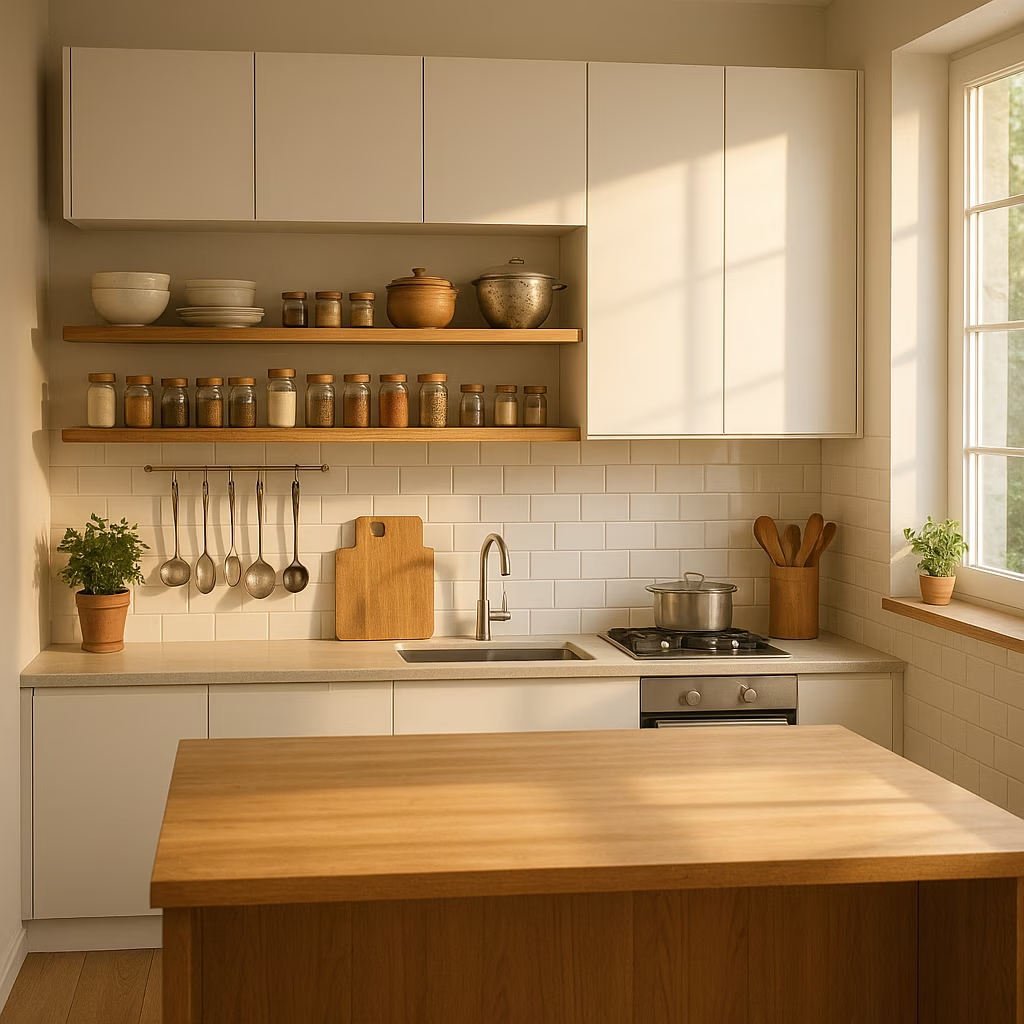
Designers are now championing a philosophy of quality over quantity. Natalia Lerman, founder of Lerman Designs, perfectly encapsulates this shift: "It isn't 'no open shelving', but rather 'less, but better' open shelving." The focus is on creating architectural moments that feel integrated and purposeful, rather than using open shelves as a wholesale replacement for traditional cabinetry. Imagine shelving that frames a window, bathing the space in light, or a single, deliberate break in a run of cabinets that creates a sense of openness without the maintenance headache. This approach allows for styled displays while keeping the bulk of kitchenware—and the inevitable dust and grease—behind closed doors. Isn't it time storage worked for you, not against you?
 :max_bytes(150000):strip_icc():format(webp)/best-kitchen-design-trends-4159322-hero-2c5404426e204445b3c182ecfe90ab7b.jpg)
The Practical Heirs to Open Shelving
What, then, is replacing those long runs of open shelves? Designers point to three key successors that maintain the light, airy feel while adding practicality and visual interest:
-
Glass-Front Cabinets: The undisputed star of 2026. All designers agree that glass-front cabinets offer the perfect compromise. They provide the visual lightness and opportunity for display that made open shelving popular, but with the crucial benefit of protection. It's the best of both worlds: a curated look without the constant dusting.
-
Decorative Cabinet Door Fronts: Texture and detail are moving to the forefront. Instead of removing doors, designers are making them a focal point. Think fluted glass, ribbed wood, or intricately carved inserts. Taylor Abess of Parlor Interiors notes, "We introduce layered materials or decorative door fronts for a striking upper cabinetry moment, offering hidden storage that still feels connected to the overall design."
-
Architectural Breaks and Continued Backsplashes: Another clever tactic is creating intentional negative space. This involves stopping cabinetry short to allow the backsplash material to continue upwards, creating a dramatic, sculptural feature. This break provides visual relief and openness without a single shelf in sight.
The Supporting Trends Taking Center Stage
With open shelving taking a more reserved role, other cabinet and storage trends are flourishing in 2026. Here’s what’s making waves:
| Trend | Description | Key Benefit |
|---|---|---|
| Material & Texture Contrast | Mixing wood tones with painted finishes, using textured door inserts. | Creates depth, visual interest, and a tactile experience. |
| Freestanding Repurposed Cabinets | Using vintage or upcycled armoires, hutches, or sideboards as kitchen storage. | Adds character, sustainability, and a cozy, lived-in vibe. |
| Integrated & Purposeful Millwork | Shelving that is built-in and feels like an architectural extension of the cabinetry. | Achieves a seamless, high-end, and intentional look. |
Brittny Button of Button Atelier highlights the charm of freestanding pieces, stating that repurposed arched cabinets are a major trend, leaning into thrifting and sustainability. These pieces can beautifully display dishes or pantry items, adding a unique, personal touch that mass-produced cabinetry often lacks.
Conclusion: A Balanced Kitchen for Modern Living
Ultimately, the 2026 kitchen is a testament to balanced design. The love for brightness and displayed treasures hasn't vanished; it has simply evolved into a smarter, more sustainable practice. Homeowners are opting for solutions that celebrate materiality, texture, and personal history while acknowledging the practical realities of cooking and living. The question is no longer "open or closed?" but "how can we create a kitchen that is both beautiful and brilliantly functional?" The answer lies in intentionality—choosing glass where light is desired, decorative doors where texture is needed, and the occasional, perfectly placed open shelf as a jewel box for one's favorite items. The kitchen of today, and certainly of 2026, is designed not just to be seen, but to be lived in comfortably and joyfully. 🍳✨